
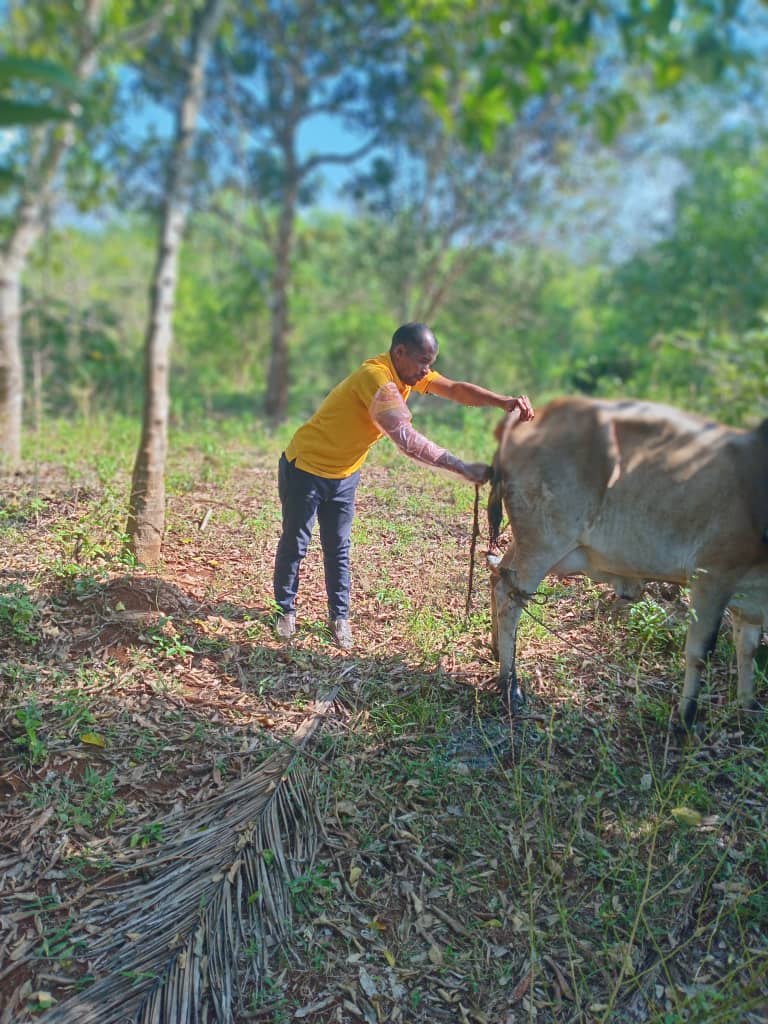
Retained Placenta
Retained placenta in cattle, often referred to as “retained placenta” or “RP,” is a condition where the placenta remains in the uterus after calving. This condition can lead to serious health issues for both the cow and the calf if not managed properly. Here’s a detailed overview:
Causes of Retained Placenta in Cattle
- Prolonged Labor: Difficult or prolonged calving’scan contribute to retained placenta.
- Nutritional Deficiencies: Lack of essential nutrients, particularly selenium and vitamin E, can affect the cow’s ability to expel the placenta.
- Infections: Uterine infections or systemic infections can interfere with the natural process of placenta expulsion.
- Uterine Health: Poor uterine tone or function can lead to issues with placental separation.
- Hormonal Imbalances: Imbalances in the hormones involved in labor and delivery can contribute to retained placenta.
Symptoms
- Presence of Placenta: The placenta remains in the uterus for more than 24-48 hours after calving.
- Foul-Smelling Discharge: The presence of a foul odor may indicate infection.
- Fever or Illness: The cow may show signs of illness or fever due to infection or inflammation.
Management and Treatment
- Observation: Many cases resolve on their own. Monitoring the cow closely for signs of infection or complications is crucial.
- Manual Removal: In some cases, a veterinarian may need to manually remove the retained placenta. This should be done carefully to avoid damaging the uterus.
- Medications: Hormonal treatments or uterotonics can help stimulate uterine contractions to expel the placenta. Antibiotics may be administered if an infection is present.
- Supportive Care: Ensuring the cow has adequate nutrition and hydration, and managing any secondary infections or complications, is important for recovery.
Prevention
- Proper Nutrition: Ensuring that the cow receives a balanced diet with adequate levels of selenium, vitamin E, and other essential nutrients.
- Good Calving Management: Monitoring and assisting during calving to minimize stress and complications.
- Hygiene: Maintaining good hygiene practices during and after calving to prevent infections.
Retained placenta can be a serious issue, leading to complications such as metritis (uterine infection), reduced milk production, or even reproductive issues if not treated appropriately. If you suspect a cow has retained placenta, it’s best to consult a veterinarian for a proper diagnosis and treatment plan.